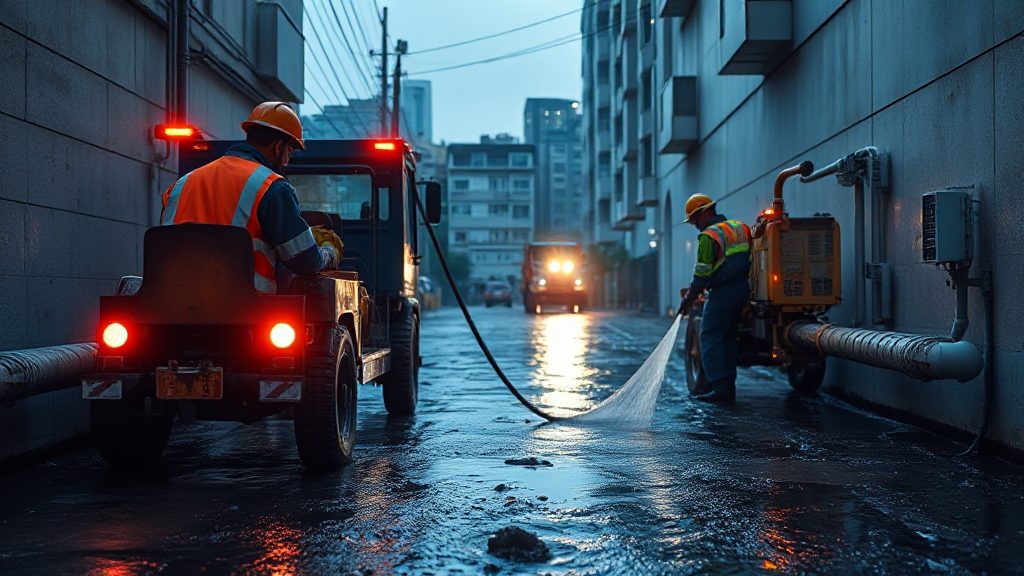
Limiting Water Damage After a Cidade Líder Sewage Backup
The water is already on the floor, and the clock is running. In the hours after a sewage backup clears, what you do — and what you avoid — decides whether you face a stained floor or a full structural repair. This playbook walks you through containment, drying and documentation in sequence, so you can protect your home and your claim. If the blockage is still active or you need professional help fast, a desentupidora em Cidade Patriarca São Paulo SP can respond 24 hours a day.
Hour 0–1: Stop the Source and Protect Yourself
Before you touch anything, confirm that the backup has stopped. If water is still rising, shut off the main water supply and call a plumber or a desentupidora Cidade Patriarca immediately. Sewage water is classified as black water — it can carry bacteria, viruses and parasites — so your first priority is personal protection.
Put on rubber boots, waterproof gloves and eye protection. Keep children and pets out of the affected area. Open windows and doors to improve ventilation, and avoid using fans that could spread contaminated droplets before the area is disinfected.
Immediate containment steps
- Turn off electricity to flooded rooms at the breaker panel if it is safe to reach.
- Block the spread with towels, sandbags or rolled plastic sheeting at doorways.
- Remove rugs, cardboard and porous items that are already soaked.
- Do not walk barefoot or in socks through the water.
Never mix cleaning products — bleach and ammonia create toxic gas. Use one product at a time and read the label.
Hour 1–3: Extract Water and Remove Contaminated Materials
Once the source is stopped, extraction is the priority. Standing water keeps spreading into drywall, baseboards and subfloor, and the longer it sits, the deeper the damage goes. Use a wet/dry vacuum or a pump if you have one, and work from the farthest corner toward the drain.
Porous materials that absorbed sewage — carpet, padding, drywall below the water line, insulation — usually cannot be saved. Bag them and dispose of them according to local rules. Hard surfaces like tile, concrete and some plastics can be cleaned and disinfected.
What to remove versus what to keep
- Remove: soaked carpet, padding, drywall, insulation, upholstered furniture and paper products.
- Keep and disinfect: tile, metal fixtures, solid wood after drying, and sealed plastic items.
- Evaluate: cabinets and doors that can be dried quickly may be salvageable with professional equipment.
If the backup was large or the water sat for hours, call a professional desentupidora Cidade Patriarca São Paulo SP to assess hidden moisture and sanitize the area properly.
Hour 3–24: Dry Fast and Disinfect Thoroughly
Drying is where most homeowners lose the battle. Mold can begin growing within 24 to 48 hours on wet materials, so the goal is to get surfaces dry as quickly as possible. Open windows, use dehumidifiers and position fans to move air — but only after the area has been cleaned and disinfected.
Disinfect hard surfaces with a solution appropriate for sewage contamination. Pay attention to corners, seams and the gaps where baseboards meet the floor. If the water reached inside walls, you may need to remove a strip of drywall to let the cavity dry.
Drying checklist
- Clean and disinfect all hard surfaces before running fans.
- Set up dehumidifiers and fans for at least 24 to 48 hours.
- Check hidden areas — under cabinets, inside wall cavities and beneath appliances.
- Use a moisture meter if available to confirm materials are dry before closing up walls.
Do not paint or seal over damp surfaces — trapped moisture causes peeling and mold later.
Document Everything Before You Clean Up
Your insurance claim depends on evidence. Before you throw away damaged items, photograph and video the affected areas. Capture wide shots of the room and close-ups of water lines, damaged materials and any visible contamination.
Keep receipts for anything you buy — fans, dehumidifiers, cleaning supplies, temporary repairs. Write down the date and time the backup happened, when it stopped and what you did at each stage. If a neighbor or building manager reported the issue, note that too.
What to document
- Photos and video of standing water and damaged belongings.
- A written timeline of events and actions.
- Receipts for emergency purchases and professional services.
- Names and contact details of any technicians who assisted.
If the backup affected a shared line or common area, inform your building manager or condominium administration immediately so the incident is recorded.
Preventing the Next Backup and When to Call a Professional
Once the immediate crisis is over, address the cause. Sewage backups often come from blocked main lines, root intrusion, grease buildup or collapsed pipes. A professional inspection can identify the problem before it repeats.
Schedule preventive maintenance if you live in an older building or have had repeated backups. Avoid pouring grease down drains and be careful about what you flush. For commercial properties, a maintenance plan is usually cheaper than emergency repairs.
Signs you need professional help now
- Water backs up again after you clear it.
- Multiple drains are slow or gurgling.
- There is a sewage smell that does not go away.
- You see visible mold growth within a day or two.
For emergencies, a 24-hour service like desentupidora Cidade Patriarca São Paulo SP can clear the line, sanitize the area and help you avoid secondary damage.
Frequently Asked Questions
Can I clean up a sewage backup myself?
Small backups on hard surfaces can be cleaned with protective gear and proper disinfectants. Large backups, porous materials or water that entered walls usually require professional extraction and sanitizing.
How long does it take for mold to grow after a sewage backup?
Mold can start growing within 24 to 48 hours on wet materials. Fast drying and disinfection are essential to prevent it.
Will my insurance cover sewage backup damage?
Coverage depends on your policy. Many homeowners policies exclude sewage backup unless you added a specific endorsement. Documentation helps your claim either way.
What should I do if the backup happens at night?
Stop the source if possible, contain the water, protect yourself and call a 24-hour emergency service. Avoid using electrical appliances in flooded areas.