Hydrojetting or Cable? Choosing the Right Method in Caraguatatuba
When a technician looks at your backed-up drain and says the word “hydrojetting,” it is natural to wonder whether a simple cable would have done the job for less. The honest answer is that both methods work, but they solve different problems. In Caraguatatuba, the choice often comes down to what is actually inside the pipe: beach sand, kitchen grease, or the rough interior of an older clay line.
If you are searching for a desentupidora em Ilhabela SP and the surrounding coast, understanding the difference between mechanical clearing and high-pressure washing will help you ask better questions and avoid paying for a service you do not need. This comparison explains when each method makes sense, what the local pipe conditions do to your plumbing, and how to tell whether the recommendation is genuine.
What Each Method Actually Does to the Pipe
A drain cable, also called a snake or auger, is a mechanical tool. It is fed into the line and rotated until the spinning head breaks through or hooks the blockage. It punches a channel through the clog, which restores flow but does not necessarily clean the pipe walls. Grease, scale and grit can remain clinging to the interior, and the blockage may return within weeks.
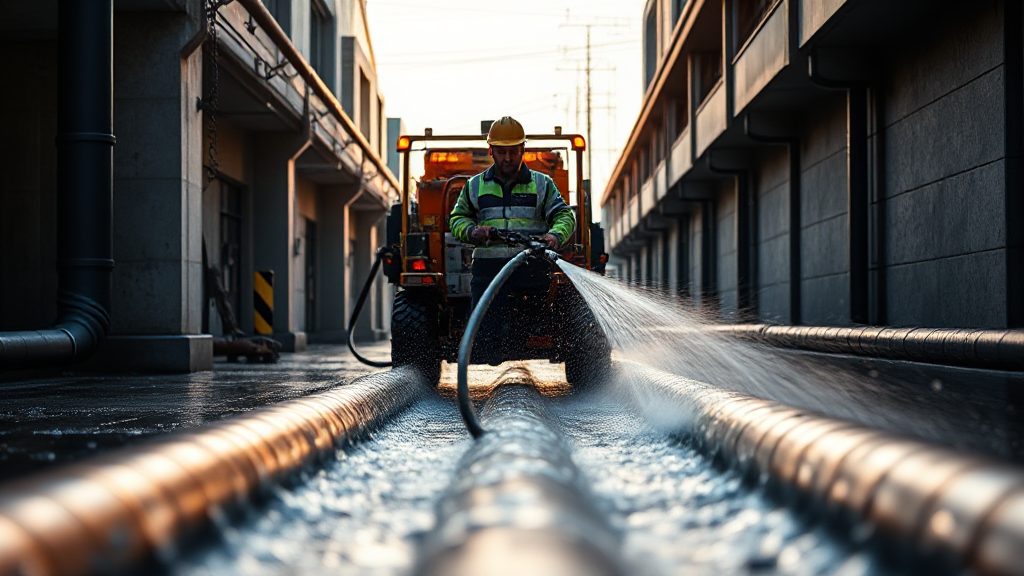
Hydrojetting uses water instead of steel. A specialized nozzle is inserted into the drain and fires high-pressure jets backward and forward, scouring the full circumference of the pipe and flushing debris downstream. It is not just a hole through the clog; it is a cleaning of the line. That distinction matters most in pipes that are narrow, rough or already partially coated with buildup.
The trade-off is straightforward. Cables are faster, cheaper and gentler on very fragile pipes. Hydrojetting is more thorough but requires proper pressure control and a trained operator, because too much force in the wrong pipe can cause damage. Neither method is universally better; the right one depends on the condition of your specific line.
Why Caraguatatuba Pipes Face Particular Problems
Coastal plumbing deals with a combination of pressures that inland systems rarely see. Sand intrusion is the first. Beach sand and fine grit wash into yard drains, garage floors and low-lying cleanouts, then settle in the pipe and harden into a cement-like layer. A cable can bore through the middle of that layer, but the grit stays behind and keeps trapping water.
Sand, Grease and Old Clay Lines
Grease is the second factor. Homes and restaurants in the region often have long horizontal kitchen runs where fat cools and congeals before it reaches the main line. Over time this forms a sticky ring that narrows the pipe. Mechanical clearing opens a passage; hydrojetting strips the ring back to the original diameter.
The third factor is pipe material. Many older properties still have clay or early concrete sewer lines with rough, porous interiors. Those surfaces give sand and grease something to grip. A high-pressure wash removes the buildup and smooths the way water flows, which is why technicians in this region often lean toward hydrojetting for recurring blockages rather than repeated cable visits.
It is worth noting that not every coastal blockage is severe. A single slow sink or a toilet that backs up once may be a local clog that a cable handles perfectly well. The local conditions justify asking about hydrojetting, not assuming it is always required.
When a Cable Is the Smarter Choice
A cable is usually the right call when the problem is a discrete obstruction rather than a coated pipe. If a toy, a wad of wipes or a hair ball is lodged in a trap or a short branch line, mechanical clearing removes it quickly and at lower cost. There is no reason to bring in high-pressure equipment for a single object blocking a clean run.
Cables also make sense for very old or fragile pipes where the walls may be cracked or thin. In those cases, aggressive water pressure could worsen an existing weakness. A careful technician will inspect first and recommend the gentler option when the pipe cannot tolerate more.
Signs You Probably Do Not Need Hydrojetting Yet
- The blockage is a single event and the drain has been flowing normally for months.
- Only one fixture is affected while the rest of the house drains fine.
- The pipe is visibly old, cracked or made of a material that cannot handle high pressure.
- A camera inspection shows a clear line with one isolated obstruction.
In these situations, paying for a full hydrojetting service is unnecessary. A reputable provider will tell you so rather than upselling the heavier equipment.
When Hydrojetting Is Genuinely Necessary
Hydrojetting earns its place when the problem is buildup rather than a single object. Recurring backups in the same line, slow drains throughout the house, or a persistent odor from floor drains all point to a coated pipe. In those cases, a cable buys time but does not solve the cause.
Restaurant and commercial kitchens are a clear example. Grease accumulates faster than any cable can remove it, and health inspections require lines to be genuinely clean. High-pressure washing restores the pipe to its intended capacity and reduces the frequency of emergency calls. A desentupidora Ilhabela team that works this coast regularly will recognize the pattern quickly.
Hydrojetting is also the right preparation before a camera inspection. You cannot properly assess a pipe wall that is covered in grease and sand. Cleaning first lets the camera see cracks, root intrusion or collapsed sections, which changes the repair plan entirely.
A Simple Comparison
| Factor | Mechanical Cable | Hydrojetting |
|---|---|---|
| Best for | Single, isolated clogs | Buildup, grease, sand, recurring backups |
| Cleans pipe walls | No | Yes |
| Risk to fragile pipes | Low | Requires pressure control |
| Typical cost | Lower | Higher |
| Return of blockage | More likely if buildup remains | Less likely after full cleaning |
Reading the table honestly, the cheaper option is not automatically the better value. If a cable visit every few months costs less per call but never solves the underlying buildup, the total spend climbs. A single thorough cleaning often ends the cycle.
How to Judge the Recommendation You Receive
Before agreeing to any service, ask what the technician actually saw. A professional should be able to explain whether the blockage is an object or a coating, whether the pipe material can handle pressure, and why the chosen method fits. Vague answers are a warning sign.
A camera inspection is the fairest way to settle the question. It shows the inside of the line and removes the guesswork. If a provider recommends hydrojetting without inspecting or explaining, ask for the reasoning. Conversely, if a technician insists a cable is enough when you have had the same drain back up three times this year, push back and ask for a camera check.
For residents comparing options along the coast, a desentupidora Ilhabela SP service that offers both methods is preferable to one that only sells hydrojetting. The ability to choose the gentler tool when appropriate is a sign of an honest operator, not a weaker one.
Finally, consider prevention. Once a line is clean, a simple strainer in the kitchen sink, avoiding fat down the drain, and periodic flushing of floor drains will keep the pipe clear far longer. The best desentupimento service is the one you do not need to call again next season.
Frequently Asked Questions
Can hydrojetting damage my pipes?
It can if the pressure is not adjusted to the pipe material or if the line is already cracked. A trained operator inspects first and uses appropriate pressure. In sound pipes, hydrojetting is safe and widely used.
Is a cable ever enough for grease?
For light, recent grease, a cable can restore flow temporarily. For thick or recurring grease buildup, it only opens a channel and the clog returns. Hydrojetting removes the grease layer itself.
Do I need hydrojetting if my drain only backed up once?
Usually not. A single backup with no history often points to an isolated obstruction that a cable can clear. Save the heavier service for recurring problems or confirmed buildup.
How do I know which method was actually used?
Ask for a description of the equipment and, ideally, before-and-after camera footage. A provider should be willing to explain what was done and why.